
Searching Rock County Criminal Dockets
Criminal charges in Rock County belong to the Rock County District Court. It sits in Minnesota's Fifth Judicial District. For a public look at a case history, the first stop is Minnesota Court Records Online, or MCRO. You can search it by name, case number, citation number, or attorney. When the filters allow, pick Rock as the court location. Before trusting a match as the right Rock County criminal docket, confirm the case type. Also confirm the filed date, the party role, the status, and the full case number.
Not everything reaches the internet. When a document, entry, or hearing setting is missing online, Rock County Court Administration is the official local contact. The Rock County calendar covers public hearings on a separate schedule. It is not a complete criminal file. Read the case history in MCRO to understand what has happened. Then use the live calendar, or call Court Administration, to confirm an appearance. Keep the Rock County case number handy when you check the calendar listing.
- Open MCRO Case Search and accept the terms acknowledgement for the Rock County search.
- Enter the complete case number when known, or use an exact name, citation number, or attorney search with Rock County selected.
- Open the matching Rock County Case Details result and compare the category, party role, filing date, and Rock court location.
- Review Rock County charges, events, hearings, conditions, and later disposition entries in context.
- Use Rock County Court Administration for a certified copy, a restricted-record question, or a conflict involving a scheduled setting.
Rock County Criminal Number Search
A complete number unlocks a Rock County criminal docket faster than anything else. The official Rock calendar has shown the county prefix 67. It is followed by a case-type code, the filing year, and a sequence number. A safe local pattern is 67-CR-YY-####. That prefix helps you read a notice or calendar line. It does not replace the full number the court itself displays.
MCRO's name search has one big limit. Under the official notice, pending criminal, traffic, and petty-misdemeanor matters without a conviction will not return. They will not come back by defendant name. So a Rock County criminal matter that seems absent may simply be name-blocked. Try the full Rock County case number, the citation number, or attorney information first. A Rock County calendar line often supplies the case number. Use it for a later MCRO search.
Search check: A Rock County criminal docket result should be matched by more than a name. Compare the county, category, party role, filed date, and complete case number.
Inside a Rock County Criminal Docket
In MCRO, the case-history view is called Case Details and Register of Actions. A Rock County criminal docket there can identify the file, the parties, the court location, the judicial officer, the status, the citation, related cases, charges, hearings, events, conditions, bond activity, and financial entries. Some cases also include a public-document link. It is tied to an event or a document index number. Which fields appear depends on the case and on public-access rules.
| Case number | The Rock identifier, often following the observed 67-CR-YY-#### pattern. |
|---|---|
| Charges | Counts and amended-charge history where shown; a charge entry is not a final result. |
| Hearings | Past or scheduled dates, location, hearing type, judicial officer, and connection role. |
| Conditions and bond | Interim procedural entries that can change while the case is pending. |
| Events and documents | Reverse-chronological register entries and public document controls when access is available. |
| Disposition or sentence | The later plea, dismissal, finding, sentence, or other final event where public and recorded. |
The official case-details handout is the source for this field map. Read a Rock County criminal docket from the event dates forward. The first charge, or a financial balance, is not the outcome.
Rock County Criminal Calendar and Register
Two tools answer different questions about Rock County criminal cases. The calendar lists selected public settings. Those include party name, hearing location, date, time, judicial officer, hearing type, connection type, and case number. The register, by contrast, is the broader chronological trail of case events and public documents. A label like contested omnibus, contested revocation, or court trial only names the scheduled event. It is not a finding of guilt or a disposition.
The Rock County calendar posts at 7:00 a.m. each business day and updates hourly. It does not capture every Rock County matter handled that day. Confidential or non-remotely accessible cases are excluded. For a Rock County criminal hearing that matters today, compare the calendar with MCRO. Compare it with any filed notice too. Printed calendars in Rock County courtrooms and public lobbies can sometimes be more current.
How a Criminal Case Moves
A Rock County criminal docket usually builds in a predictable way. The court receives a filing or citation, assigns a case number, and records early appearances and conditions. Later hearings and rulings follow. The trail can show a first appearance or arraignment, pretrial activity, motions, evidentiary or omnibus settings, a plea or trial, a disposition, sentencing, and later financial or post-sentence events. Every case runs its own sequence. Read the date and text of each entry carefully.
Docket flow: Filing → Arraignment → Pretrial → Plea or Trial → Disposition → Sentencing
Interim conditions, bond activity, and an amended charge are procedural entries. None of them establishes a final adjudication. Before drawing any conclusion about a Rock County criminal docket, read the later Rock County disposition or sentencing record together with the earlier events.
Rock County Criminal Terms in Case Details
A few short labels make a Rock County criminal docket easier to parse. The official MCRO material uses a register-of-actions view, and the Rock calendar supplies the setting-specific fields. The terms below describe what the system may display; no local event-code dictionary is invented here.
- Register of Actions
- The chronological record of filed and court-entered events associated with the case.
- Hearing type
- The kind of scheduled setting, such as a court trial or contested hearing, not the case result.
- Connection type
- The displayed role, such as defendant, attorney, petitioner, or respondent.
- Disposition
- The recorded resolution of a charge, case, or case phase.
- Document index number
- An event-linked number that may identify a public document in the register.
A Rock County warrant flag needs care too. The official handout warns that a party-level flag can relate to another case. Verify it through the Rock County court before assigning it to the displayed Rock County criminal docket.
Courts That Hold Criminal Dockets
Minnesota runs one unified District Court system. Rock County District Court holds original jurisdiction over every case type filed in the county. Those include criminal, traffic, civil, family, probate, and juvenile. So a Rock County criminal docket lives with the District Court and Court Administration. There is no separate county misdemeanor office or municipal docket desk. Traffic cases stay inside the same trial-court system too, split between payable and mandatory-appearance tracks.
A city office can still help with a city-ordinance question. What it cannot do is hold or certify the Rock County District Court criminal file. Federal prosecutions run on a separate track as well. They are searched through PACER and the federal clerk rather than MCRO. For Rock County court contacts and local access routes, the District Court page is the dependable first stop.
Rock County Drug Court Case Files
Rock County sits inside two shared specialty programs. It belongs to the Rock-Nobles Adult Drug Court. It also belongs to the Fifth District multi-county Veterans Court. Treatment and accountability show up in those programs. But the county itself has no separate public specialty-docket search. Track a public case instead through its underlying District Court case number. Use MCRO, the Rock calendar, and Court Administration.
Never read Rock County specialty-court participation into a broad event label on a docket. A real public event, order, or case detail has to back it up. General program facts live with the Minnesota treatment-court information. For one Rock County criminal file, use the underlying case number. Then use the local records route.
Note: Program material describes services. The Rock County criminal docket stays the case-specific source for public events and settings.
Sealed Dockets and Public Access
Who sees a Rock County criminal docket is decided by Minnesota Judicial Branch rules. It is not decided by a county open-records request. A judicial-records boundary statute puts those court records under Supreme Court access rules. The current Rule of Public Access 4 sets the basic framework, and Rule 8 limits remote access.
Documents in Rock County criminal cases filed on or after July 1, 2015 are broadly available on MCRO. Exceptions apply. Juvenile delinquency and CHIPS matters follow separate rules. One more caution: a sealed or expunged Rock County record is not a failed search. A public case event can exist even when its attachment stays closed.
Access route: Rule 8 limits categories available remotely. Section 260B.171 limits juvenile-record access. Section 609A.03 governs criminal expungement procedure. Use the CON101 judicial-access process when Court Administration confirms that ordinary access is unavailable.
Minnesota handles sealed records through a formal request, not a search toggle. The CON101 packet asks you to list the county, the judicial district, and the case details. It also wants to know which records you seek and why. A judicial officer reviews each request and makes the call. So an MCRO search on a Rock County criminal docket will not surface these files. Access runs through this paperwork instead.
The expungement eligibility statute lays out the legal grounds. Those grounds put some criminal records off limits in the first place.
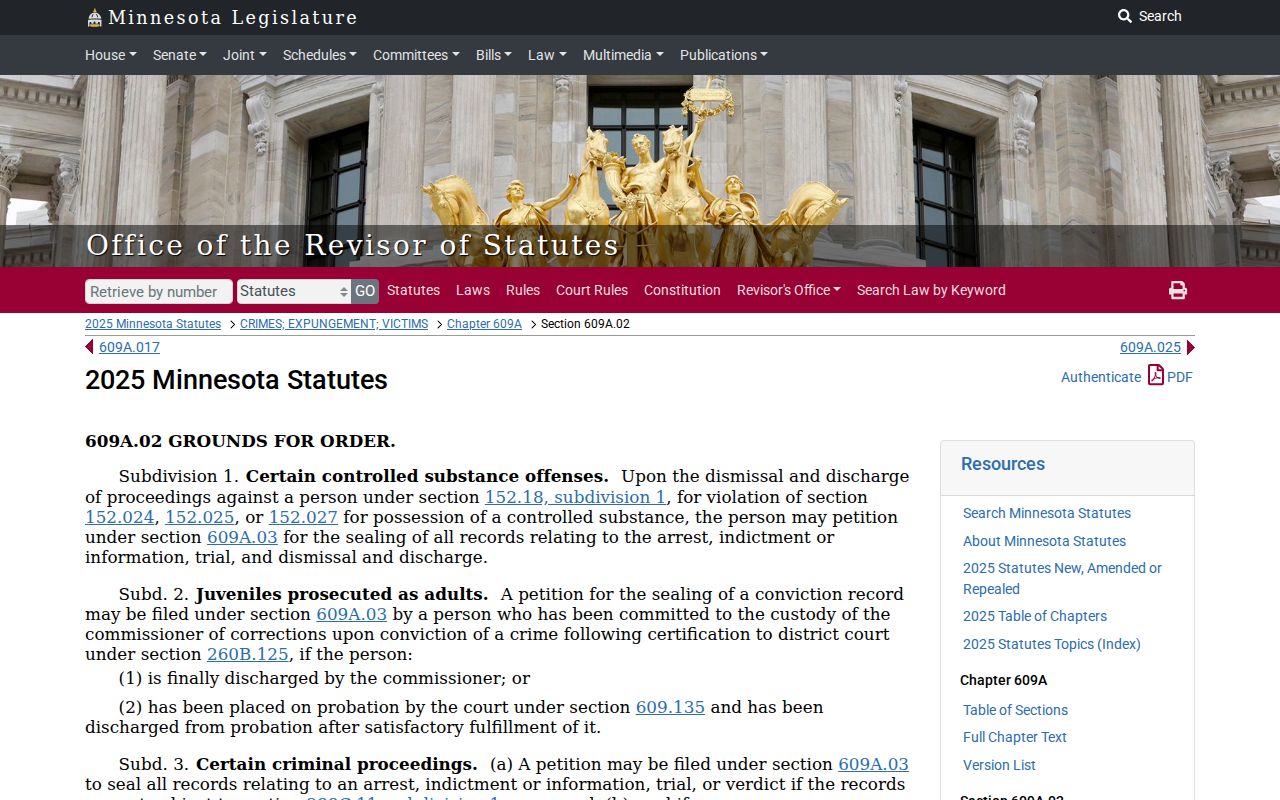
Eligibility grounds and a later sealing order do not change what a search returns. That gap is why you confirm a Rock County criminal docket through the proper court process rather than a docket result alone.
Rock County Juvenile Criminal Limits
A juvenile matter is not an adult Rock County criminal docket. The underlying conduct can still sound like a crime. Separate rules govern these files. The Rules of Public Access and section 260B.171 draw their own lines around juvenile delinquency records. Those limits shift with the setting. Records open at the courthouse may stay closed online. A web search that turns up nothing proves nothing about whether the file itself is public.
If the Rock County juvenile record you need is confidential or sealed, Court Administration can walk you through the procedure. It cannot give legal advice. The CON100 instructions lay out how to ask a judge for access, and no filing fee is stated for that request. Keep the Rock County order if the judge grants you access. You will need it for a separate copy request.
Section 260B.171 spells out who may see a juvenile record and who may not.
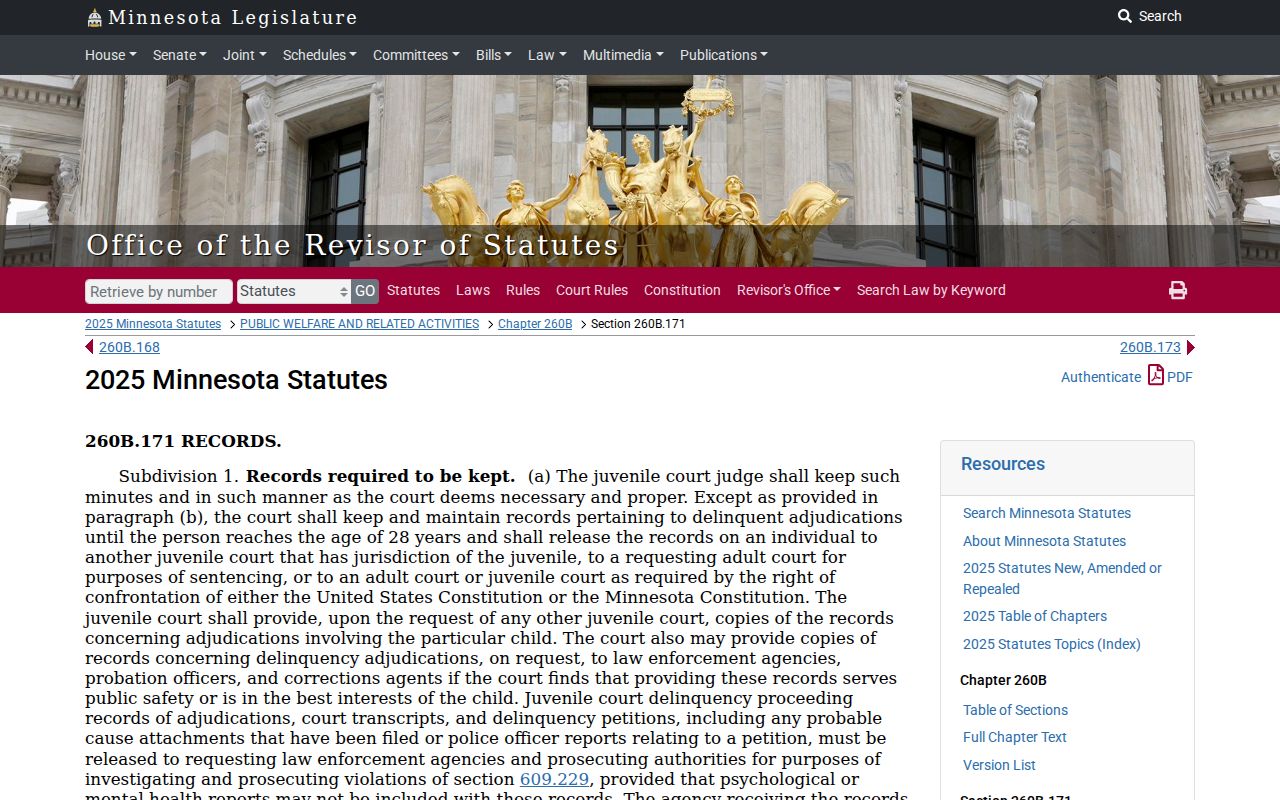
A closed door on juvenile access is a legal rule the court applies. It does not mean the Rock County criminal file contains nothing at all.
Rock County Criminal Copy Route
MCRO lets you view what Rock County makes public, but it is not the certified court record. The official file and copy process runs through Rock County Court Administration. That office sits at the Rock County Courthouse. To start, fill out the statewide copy-request form. It asks for your contact information and the case type. Add the Rock County case number if you have it, the parties, a document description or index, copy type, quantity, cost, and how you want delivery. For Rock County criminal records, add the defendant's date of birth.
Court Administration matches every request to the right Rock County case. The document description you supply drives the whole copy route. Give too little detail and the request stalls.
Fees depend on the copy type. Plain copies carry no fee. The current statewide form says so. Certified and exemplified copies run $14 per document, or $28 for certified and exemplified together. The Rock County fee schedule governs any added local services. You can submit a request through online material, at the counter, or by mail. Phone works for clarification. eFiling is open if you are a party in an existing case. Want the search steps that come before a document request? See the county's Case Lookup.
One caution: the statewide filing system is not a public criminal-search database. Its public, confidential, and sealed filing codes still matter. They shape what later shows up in the public display of court records. The official eFile and eServe communication archive lays out each of those filing designations.
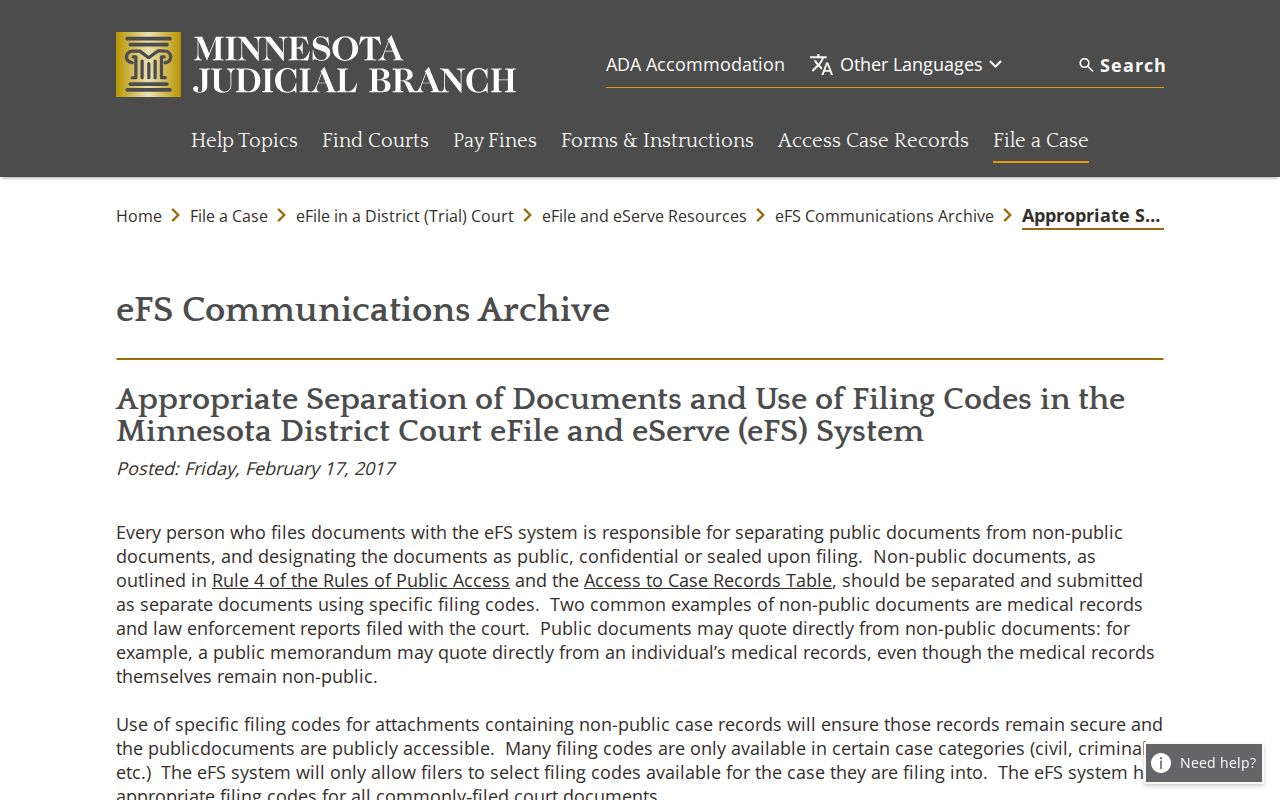
On a Rock County criminal docket, a filing designation can shut the public out of a case file while a procedural event stays listed in the register. The entry still shows that something happened. It does not reveal the papers behind it. A sealed record comes only through a petition, and the Minnesota expungement petition statute spells out how that court process works and what a judge may order.
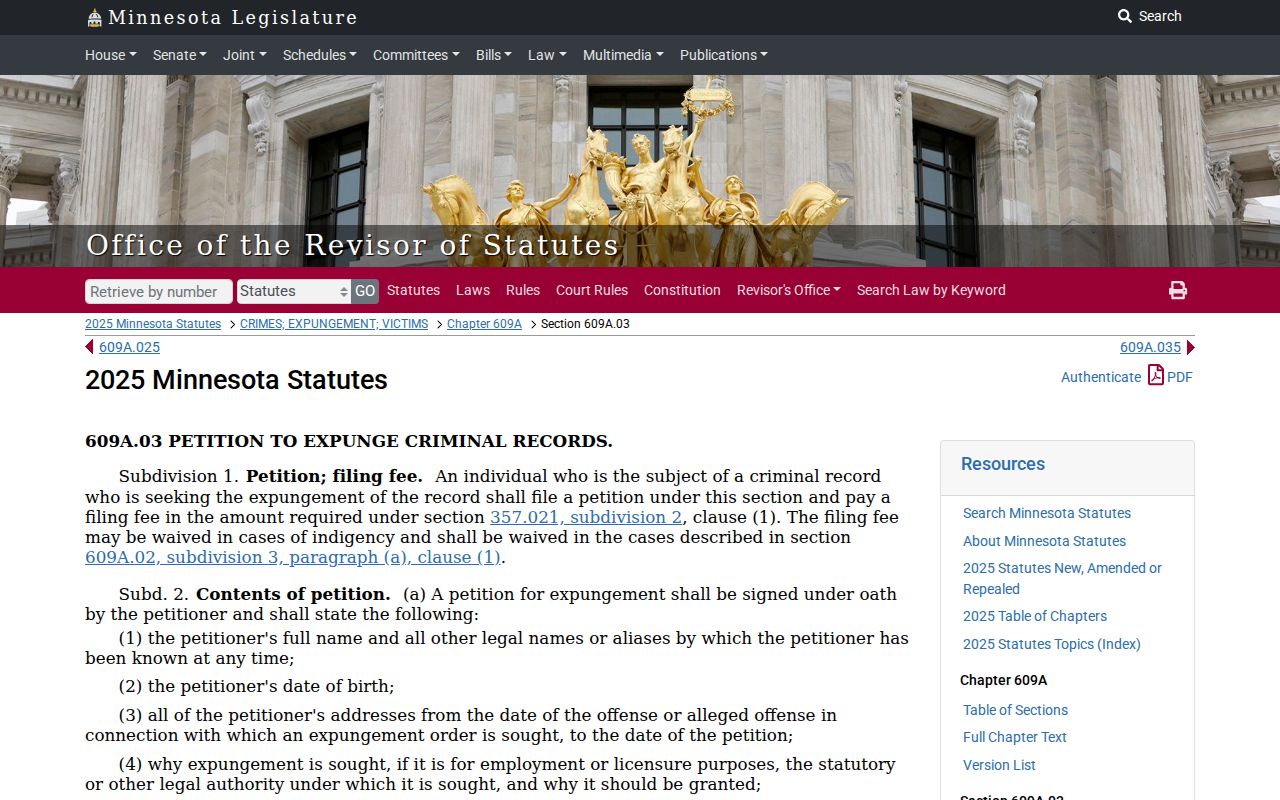
The petition and any order granting it are part of the Rock County criminal court process. Court Administration can tell you the current access status of the docket.